

"Our lives begin to end the day we become silent about things that matter"
-- Martin Luther King Jr.
Gianzack Chariell's Socratic Civics offers thoughtful exploration of government affairs, U.S. history, literature, and even music through the lens of critical questioning and civic engagement. It unpacks the ideas, events, and stories that shape democracy and society today. Click the blue buttons to read!

This essay examines George Orwell's 1984 and its enduring relevance in 2025, drawing parallels between the novel’s themes and contemporary challenges in American society.
This essay explains why Martin Luther King Jr. did more than any other historical figure to expand human freedom, showing how his words, nonviolent action, and moral clarity changed not only laws, but how people understood justice and equality.
NOTE: This essay was originally submitted to the John Locke Institute Essay Competition, where it received a Recognition distinction.


Marvin Gaye’s What’s Going On calls for empathy and understanding in response to war, inequality, and social division. Through compassion rather than anger, Gaye urges listeners to recognize shared humanity and take moral responsibility for creating meaningful change.
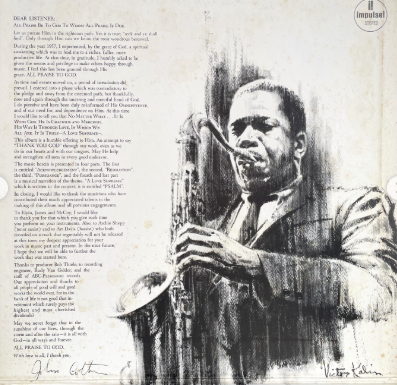
A Love Supreme -- beyond it's masterful saxophone playing, religious statement, and war against addiction -- has a message that politics cannot ignore. Society requires people to listen well enough to create something together.
An open letter to those who jump to hated rather than try to understand -- Bad Bunny's Super Bowl Halftime performance.


What kind of world are we capable of imagining? Stevie Wonder imagines a society shaped by peace, love, and human connection. In Innervisions, he shows that imagining a better society is to acknowledge that the present one falls short.
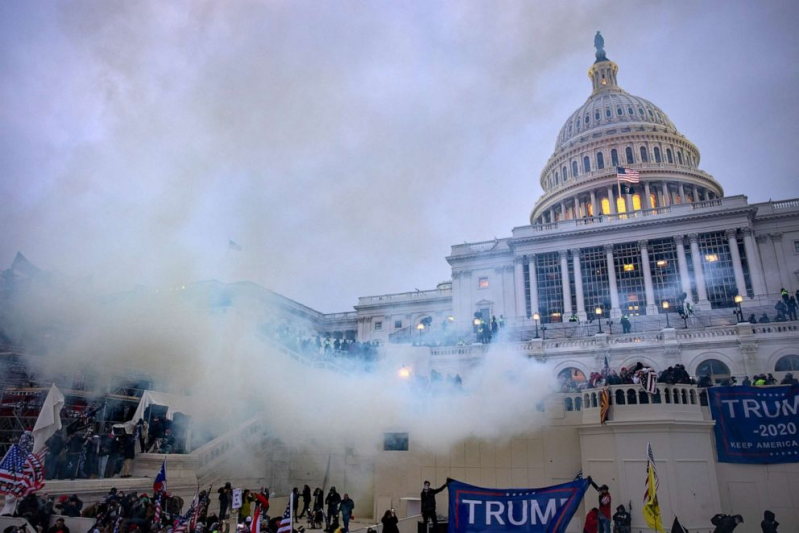
This paper looks at the roots of this divide through political behavior, psychology, and even lessons from classic literature. It argues that political motives, natural mental biases, and a loss of empathy and understanding all fuel political polarization.
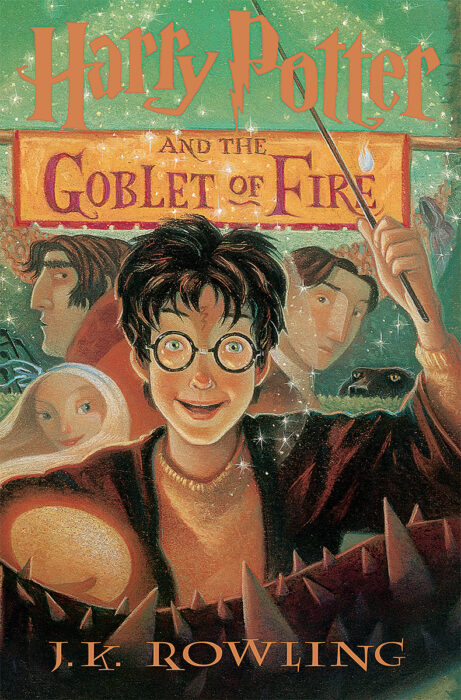
Goblet of Fire was one of the first books I loved, but I could not have understood all of it when I read it. Revisiting it years later, I discovered political themes of prejudice and the importance of questioning my own assumptions.
Socratic Civics is created by Gianzack Chariell, a student passionate about government, history, literature, and music. Through critical thinking and analysis, Gianzack explores how history and art shape our understanding of democracy and society today.

Create Your Own Website With Webador